A good wine depends on its origin, grape variety, aging, and storage. But sometimes even a small mistake is enough to make even a high-quality bottle undrinkable. One of the most well-known wine faults is what is known as a cork taint.
.png)
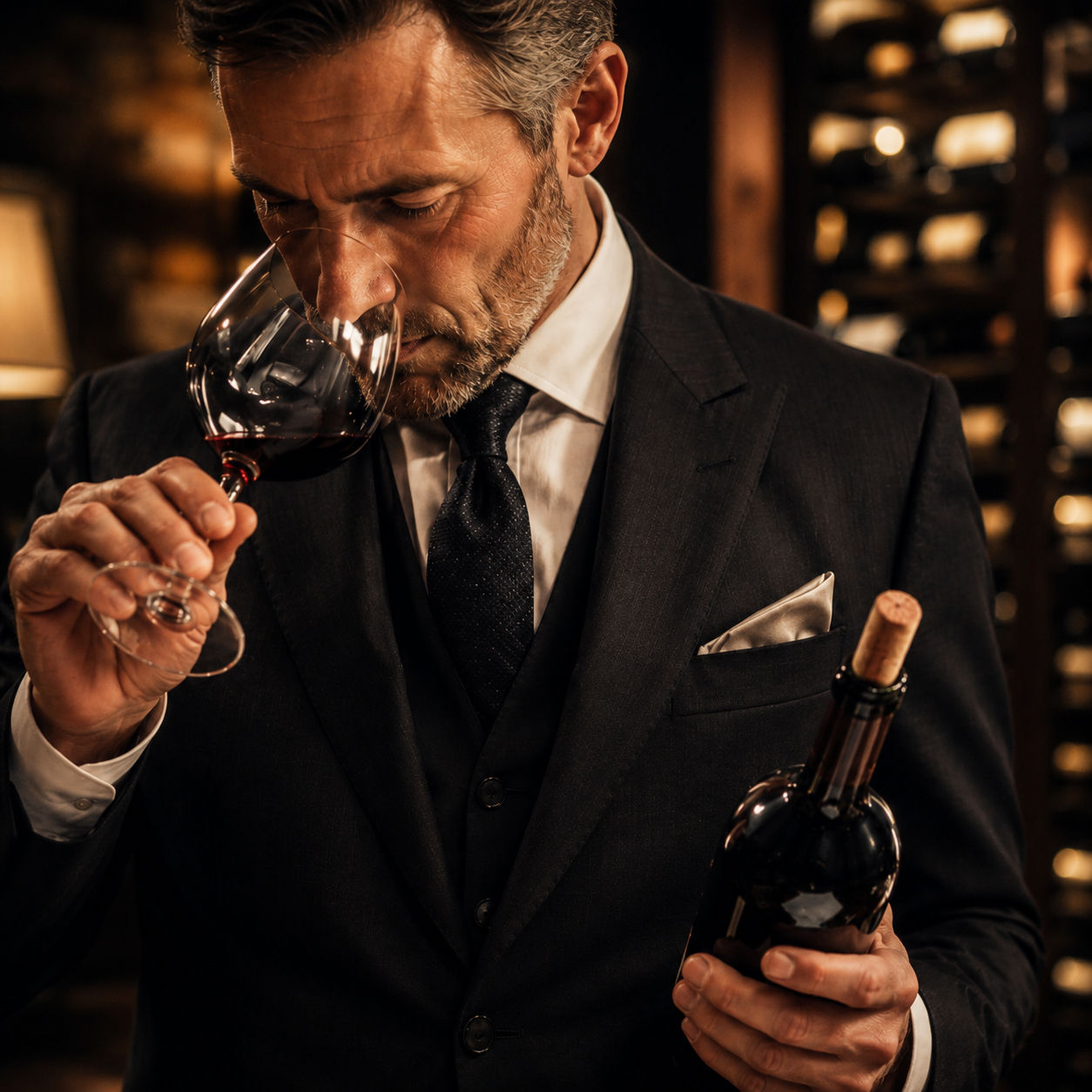
Anyone who works with wine in the hotel or restaurant industry knows the risk. A guest orders a special bottle. The wine is brought to the table. The cork is pulled. But instead of fruit, depth, and elegance, a dull, musty odor emerges. The wine tastes flat, damp, old, or musty.
People often say: "The wine has a cork taint."
But what exactly does that mean? And what role does proper storage play in this?
When a wine has a cork taint, it is considered a wine defect. The wine no longer smells or tastes the way it should. Typical aromas include those reminiscent of damp cardboard, a wet cellar, musty wood, or moldy earth.
The wine's true character takes a back seat. The fruit seems weak. It lacks freshness. The wine loses its vibrancy, depth, and elegance.
Important: Wine with a cork taint is not harmful to your health. However, it has sensory defects. For the guest, this means a disappointing experience. For the host, it means complaints, replacements, and a loss of trust.
The most well-known cause of a corky taste is the compound TCA. The abbreviation stands for trichloroanisole.
TCA can form when certain microorganisms react with chlorine-containing substances. This compound can be present in natural cork. However, it can also come into contact with the wine through wood, cardboard, cellar environments, or other materials.
Even the smallest amounts are enough to significantly alter a wine’s aroma and flavor. That’s what makes cork taint so problematic. You can’t see it. You only notice it when you open the bottle and taste the wine.
No. While natural cork is often the focus of attention because it comes into direct contact with the wine, a cork taint can also occur in bottles with other closures if the wine or its surroundings have previously been contaminated with TCA.
Nevertheless, natural cork remains an important closure for many high-quality wines. It possesses properties that are valued during the aging process. It allows for very little oxygen exchange, thereby promoting slow development in the bottle.
A cork is a natural product. It reacts to temperature, humidity, and storage conditions.
Humidity is one of the most important factors in wine storage.
Professional wine storage therefore requires a climate that is suitable not only for the wine but also for the cork.
Wine doesn't like heat. A constant, cool temperature helps preserve its quality.
For many wines, the ideal long-term storage temperature ranges from about 10 to 14 degrees Celsius. What matters most is not the exact temperature but its stability. A wine stored at a constant 12 degrees will age better than one whose temperature fluctuates daily between 8 and 22 degrees.
This is often where a problem arises in hotels and restaurants. Wine is stored in side rooms, cellars, storage areas, or on open shelves. These locations are often not designed for wine.
Typical risks include:
All of these factors undermine quality in the long run.
Bottles with natural corks should be stored on their sides. This keeps the inside of the cork moistened with wine, which helps maintain its elasticity and ensures a tight seal.
If a bottle is left standing upright for a long time, the cork can dry out. This increases the risk of leaks. This is an unnecessary risk, especially for high-quality wines meant for aging.
Different rules apply to sparkling wine, screw caps, or special types of closures. However, for classic red wines and many high-quality white wines, the horizontal storage remains advisable.
An important point: Not every flawed wine has a cork taint.
A genuine cork defect is caused by TCA or similar compounds. A storage defect is caused by improper conditions.
For the guest, the difference is often irrelevant. The wine doesn't taste good. For the host, the difference is important because it allows them to take appropriate action.
Cork taint can never be completely ruled out. However, proper storage significantly reduces other risks. It protects the wine from oxidation, heat damage, the cork drying out, and premature aging.
Professional wine storage has a clear goal: to allow the wine to develop exactly as the winemaker intended.
To do this, he needs:
In the hotel and restaurant industry in particular, presentation is also key. Wine shouldn’t just be stored properly; it should also be displayed in a way that’s visually appealing, high-quality, and in keeping with the ambiance. This is where the added value of a professional wine climate room comes into play.

A wine climate cabinet creates controlled conditions for high-quality wines. Temperature, humidity, and display are perfectly balanced. The bottles are stored safely while remaining visible.
This offers several advantages for hotels and restaurants.
A visible wine-aging area also enhances the perception of the winery. Guests can see that the wine isn’t stored haphazardly. They recognize that quality is part of the overall experience.
Anyone who sells wine professionally should check their storage conditions regularly. These questions can help:
If several of these criteria are not met, the quality of the wine suffers. This often happens gradually. The damage only becomes apparent once the bottle is opened.

Cork taint is one of the most well-known wine faults. It is usually caused by minute amounts of certain compounds that alter the wine’s aroma and taste. Proper storage does not always prevent actual cork taint. However, it protects the cork, the wine, and the overall quality of the bottle.
For hotels, restaurants, and discerning wine lovers, it is not just the selection of wines that matters. How they are stored is also crucial.
A professional wine climate room maintains stable conditions. It protects fine wines from heat, dryness, light, and temperature fluctuations. At the same time, it allows you to see and experience the wine.
Storing wine properly isn't just about protecting a product. It's about preserving the moment when a guest opens the bottle, tastes it, and expects quality.
Learn more at:
https://www.weinklimaraum.com/
Sincerely, Wolfgang Passler
wolfgang.passler@metek.com
+43 660 1491 9592