
Wine is a delicate product. It is sensitive to temperature, oxygen, vibration, humidity, and light. Light, in particular, is often underestimated in practice. In restaurants, hotels, and wine shops, wine is frequently displayed where it looks its best: in plain view, well-lit, and elegantly presented.
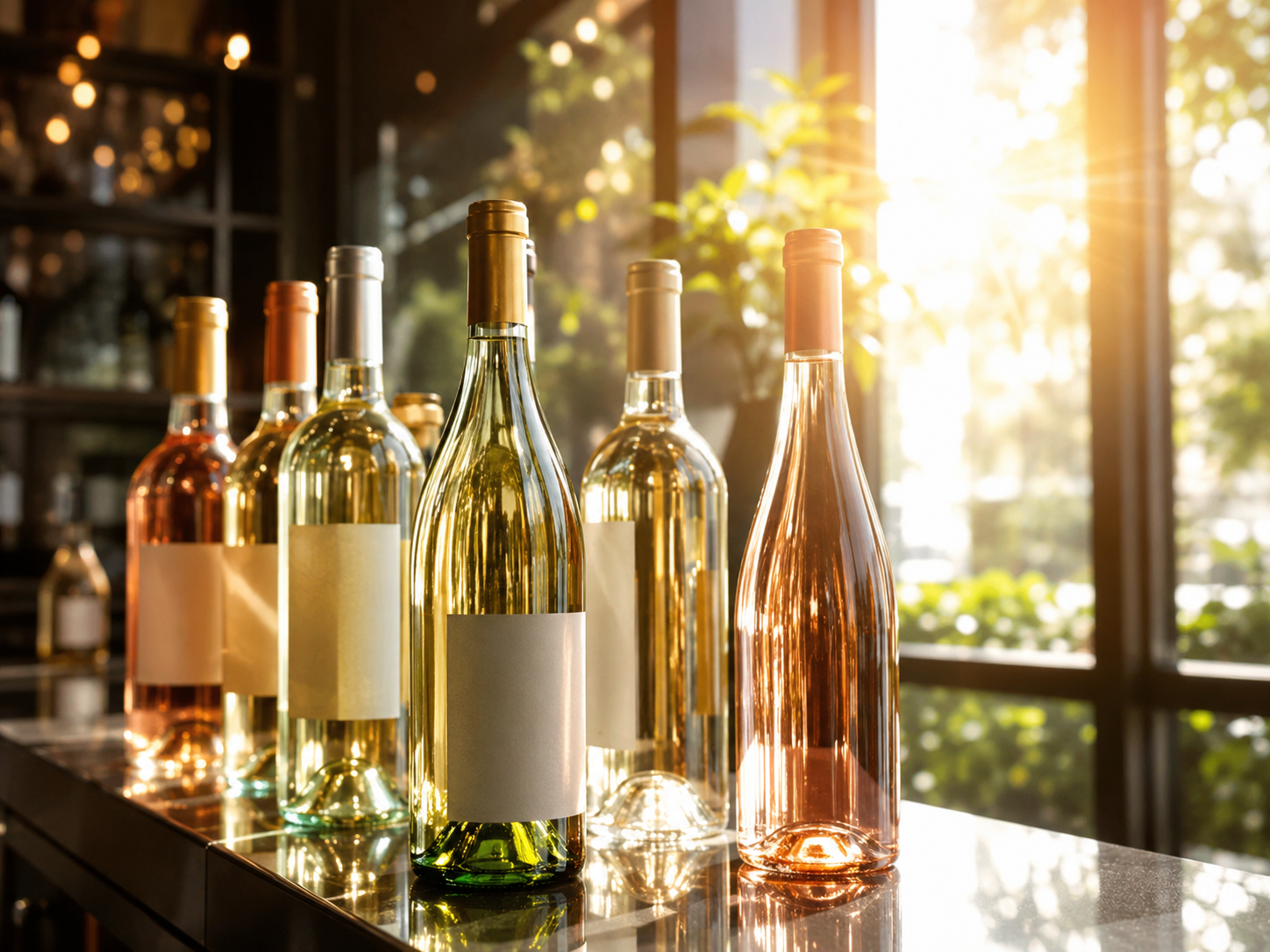
That is precisely where the risk lies. UV light can alter wine. It can diminish aromas, destroy freshness, and make a wine taste off. White wines, rosé wines, sparkling wines, and wines in light-colored bottles are particularly susceptible.
Anyone who sells wine professionally must therefore take lighting just as seriously as temperature and aging time.
UV damage refers to a change in quality caused by light. In technical terms, this is often referred to as " light-induced off-flavors." This defect occurs when wine is exposed to light for an extended period or to intense light.
UV rays and high-energy visible light are particularly harmful. They can trigger chemical reactions in the wine, causing delicate aromatic compounds to change. As a result, the wine loses its clarity, fruitiness, and elegance.
The damage doesn't always become apparent right away. That's exactly what makes it dangerous. A bottle may look perfect on the outside. The label looks high-quality. The cap is intact. The temperature is just right. Yet once poured into a glass, the wine smells tired, flat, or unpleasant.
For guests, the dining experience is all that matters. If the wine doesn't impress, it's not just that single bottle that suffers—the restaurant's reputation is also called into question.
Not all wines react to light in the same way. The color of the bottle, the type of wine, and the length of time it has been stored all play a major role.
The following groups are particularly at risk:
Dark glass provides better protection than light-colored glass. Green or brown glass filters out more light. However, it’s important to note that even dark glass is no substitute for proper storage.
In the restaurant industry, this problem often arises with bottles displayed in the dining area. They serve as decoration and are meant to attract customers. However, if they are exposed to direct sunlight or bright lighting on a daily basis, the risk of flavor loss increases.
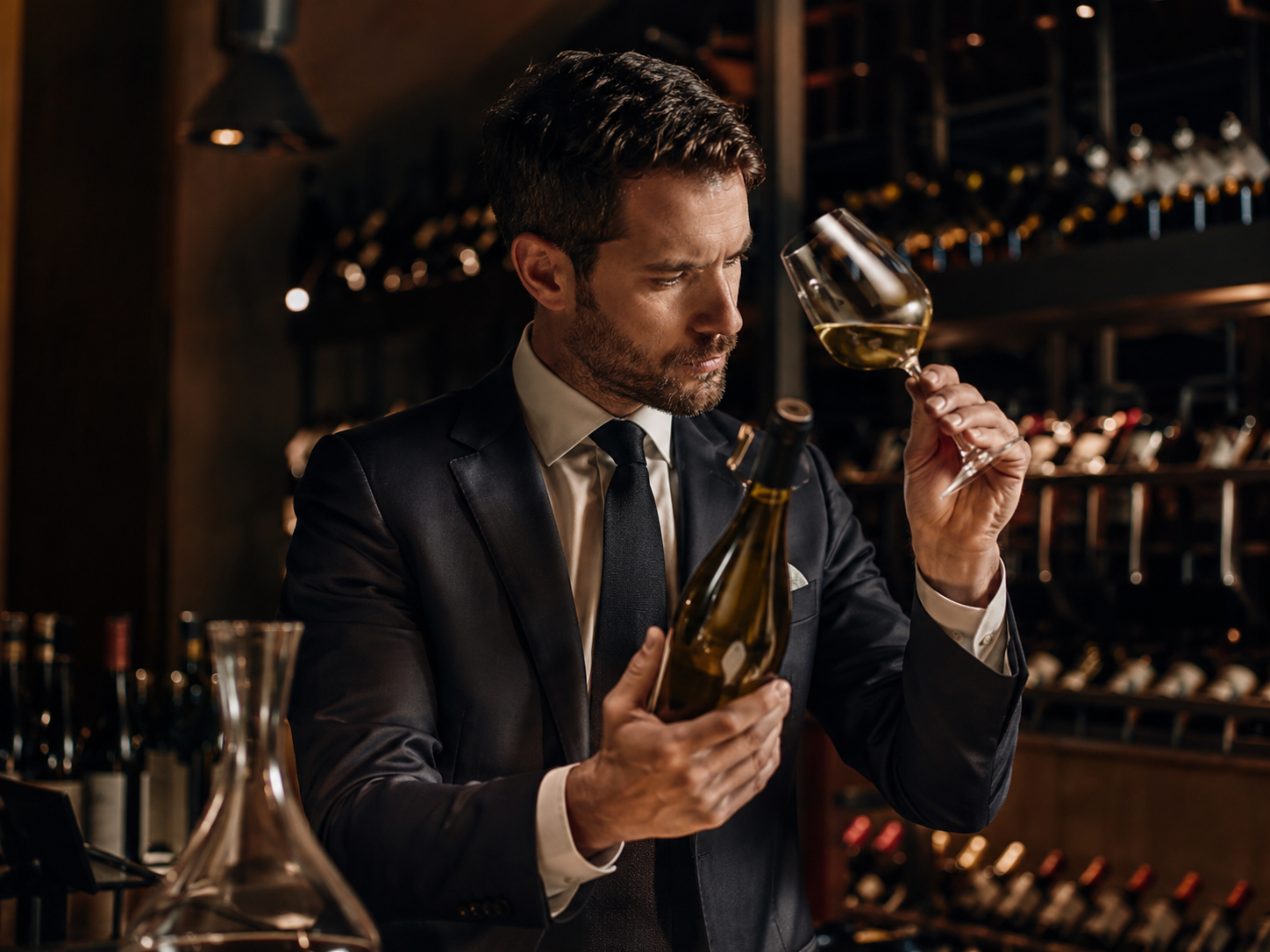
A wine damaged by UV light rarely appears clearly spoiled. It often exhibits subtle but off-putting changes.
Typical signs include:
White and sparkling wines can develop what is known as a "light-induced off-flavor." Depending on its intensity , this can be reminiscent of cooked vegetables, damp wool, cabbage, rubber, or stale dairy products. This explains why the wine no longer tastes clean to the guest.
Important for sommeliers: UV damage isn’t always immediately detectable upon first sniff. It can be masked by storage errors, oxidation, or excessive heat. That’s why you need experience and a clear understanding of the wine’s storage history.
If a wine from an open, well-lit shelf seems to have lost some of its flavor, first check where it was stored. Was the bottle near a window, a spotlight, an LED strip, or counter lighting? If so, it’s likely that the light has caused damage.
Wine in hotels and restaurants isn’t just for storage—it’s meant to be sold. Guests should see high-quality bottles. A well-designed wine display builds trust and makes the wine list more accessible.
But this is precisely where the conflict lies. Visibility requires light. Quality requires protection.
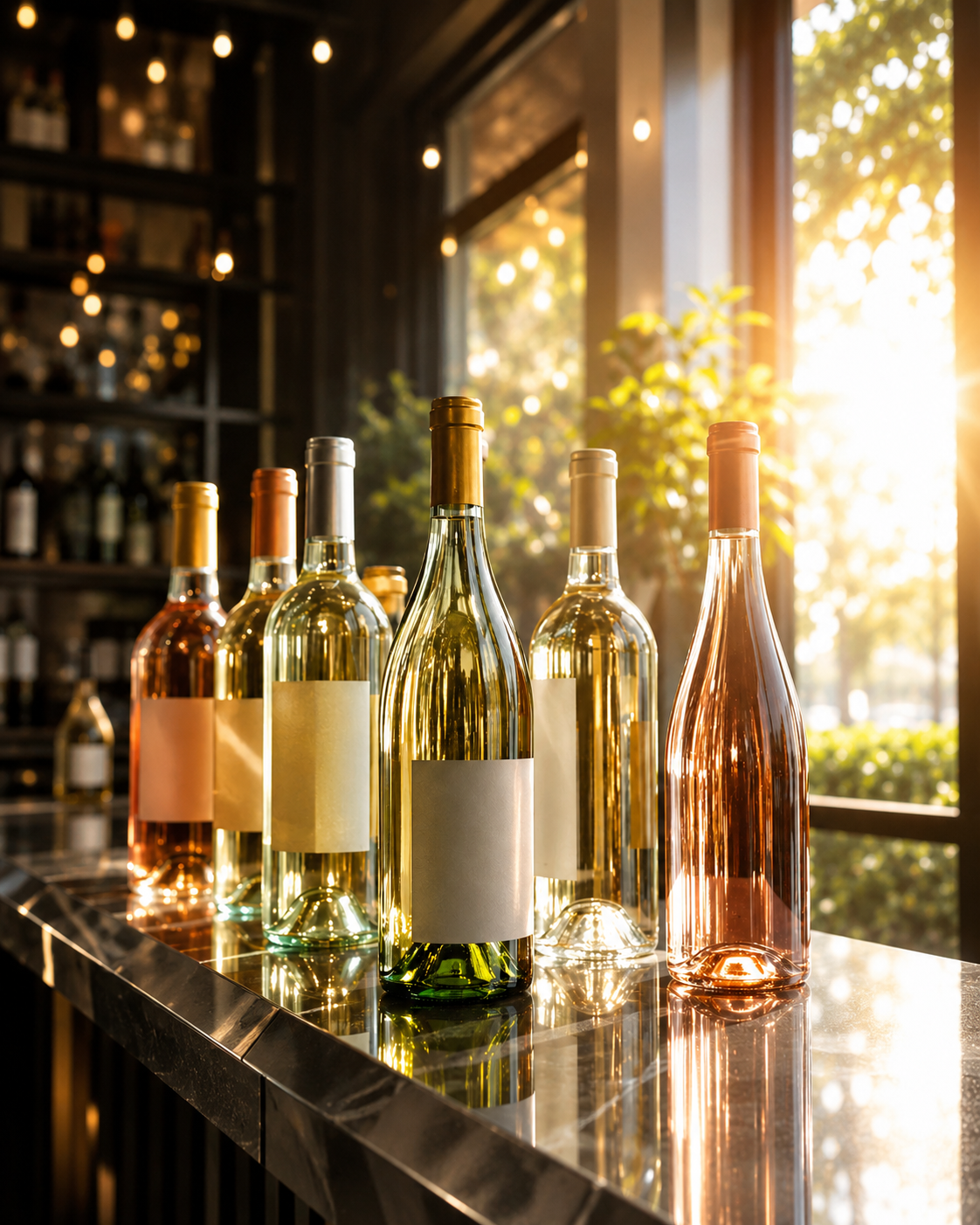
Many restaurants use lighted shelves, glass display cases, or wall-mounted displays. This can work well if the setup is done right. Problems arise when bottles are exposed to bright lighting for weeks or months on end.
Critical situations include:
Even modern lighting doesn't automatically protect the wine. LED lights give off less heat than older bulbs. However, they can still affect the wine if used at high intensity, for extended periods, and very close to the bottle.
A good wine climate room resolves this very conflict of objectives. It showcases the wine while protecting it through controlled conditions, appropriate materials, and well-designed lighting.
Wine contains many sensitive compounds. These include aromatic compounds, phenols, acids, sulfur compounds, and pigments. Light can alter these compounds.
In the case of white and sparkling wines, riboflavin and certain sulfur-containing compounds are particularly significant. Exposure to light can trigger reactions that impair the wine’s sensory qualities. The wine then no longer smells fresh, clean, and characteristic of its variety.
With red wine, the darker color often offers a bit more protection. Nevertheless, red wine can also suffer from exposure to light. Particularly delicate, aged, or elegantly crafted red wines lose their character if they are not served properly.
In practice, not every chemical detail matters. What matters is this rule:
The lighter the bottle, the more sensitive the wine, and the longer it is exposed to light, the greater the risk.
A professional business should regularly evaluate its wine presentation from the perspective of wine quality—not just from the perspective of design.
These questions will help right away:
That last question is particularly important. Not every bottle on display needs to be left in the light for months on end. You can use sample bottles for the display and store your inventory in a protected area. Or you can integrate the display directly into a professional wine climate room.
.jpg)
UV damage can be significantly reduced by taking clear measures.
A wine climate cabinet combines display and protection. That’s exactly what hotels, restaurants, and wine bars need.
It showcases the restaurant’s expertise in wine without unnecessarily burdening the bottles. Guests can see the selection. The service team operates with a clear structure. High-quality bottles are stored under stable conditions.
A professional wine climate room protects against:
This is important for sales. Wine sells better when customers feel confident. A visible, well-organized storage area shows that wine is treated with respect here.
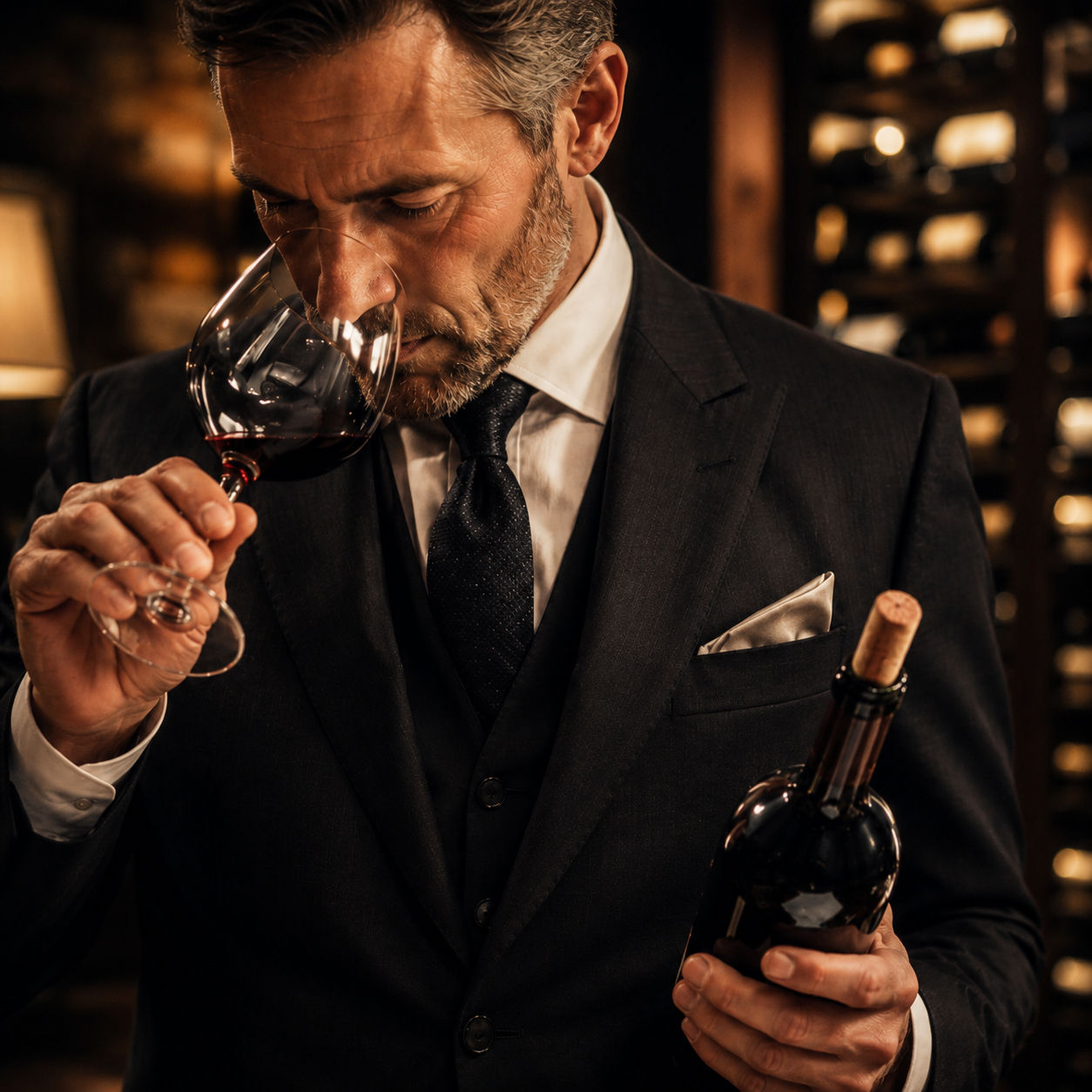
For sommeliers, reliability is also key. Anyone who recommends high-quality bottles must be confident in their condition. A controlled storage facility reduces complaints and enhances the quality of advice.
UV damage to wine isn't caused by a major mistake. It's often the result of small, daily stresses. Too much light, prolonged display, improper placement, and a lack of protection are enough to alter delicate wines.
For professionals in the restaurant, hotel, and wine service industries, lighting is therefore a key factor in quality. Anyone who displays wine must also protect it.
The most important rule is:
A professional wine climate room provides the ideal environment for this. It protects wine from light, heat, and temperature fluctuations. At the same time, it showcases the selection and enhances the guest experience.
Preventing UV damage does more than just protect individual bottles. It safeguards the quality of the wine list, the restaurant’s reputation, and the moment when the guest takes that first sip.
Learn more at:
Sincerely, Wolfgang Passler
wolfgang.passler@metek.com
+43 660 1491 9592

.png)


